Apples and pumpkins may be the first foods that come to mind when fall arrives, but they are only the beginning. The season also brings pears, winter squash, sweet potatoes, root vegetables, cabbage and hardy greens, each with its own flavor, texture and place at the table.
If you tend to reach for the same produce every week, fall is a good time to try something different.
Pears: Soft, Juicy and Delicately Sweet
Pears have a softer texture and more delicate flavor than most apples. Depending on the variety, they may taste floral, citrusy, buttery or honey-sweet.
Unlike many fruits, pears are often best when allowed to finish ripening at room temperature. Check the narrow area near the stem. If it gives slightly under gentle pressure, the pear is ready to eat.
Slice pears into salads, serve them with cheese, bake them into desserts or cook them down into a simple sauce.
Winter Squash: One Family, Plenty of Variety
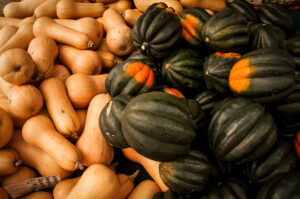
Winter squash comes in many shapes, colors and textures. Butternut squash is smooth and creamy when cooked. Acorn squash has a mild, slightly nutty flavor, while spaghetti squash separates into thin strands.
Other varieties, including delicata, kabocha and buttercup, offer even more ways to roast, mash, stuff and simmer your way through the season.
Look for squash that feels firm and heavy for its size. Avoid pieces with deep cuts or soft spots.
Sweet Potatoes: Creamy and Naturally Sweet
Sweet potatoes become soft and creamy when roasted or baked. Their natural sweetness works with warm seasonings like cinnamon, but they are equally good with garlic, herbs, chili powder or smoked paprika.
Cut them into wedges, add cubes to a sheet pan dinner or mash them as a side dish. They can also add body to soups, stews and breakfast hashes.
Beets: Earthy, Sweet and Colorful
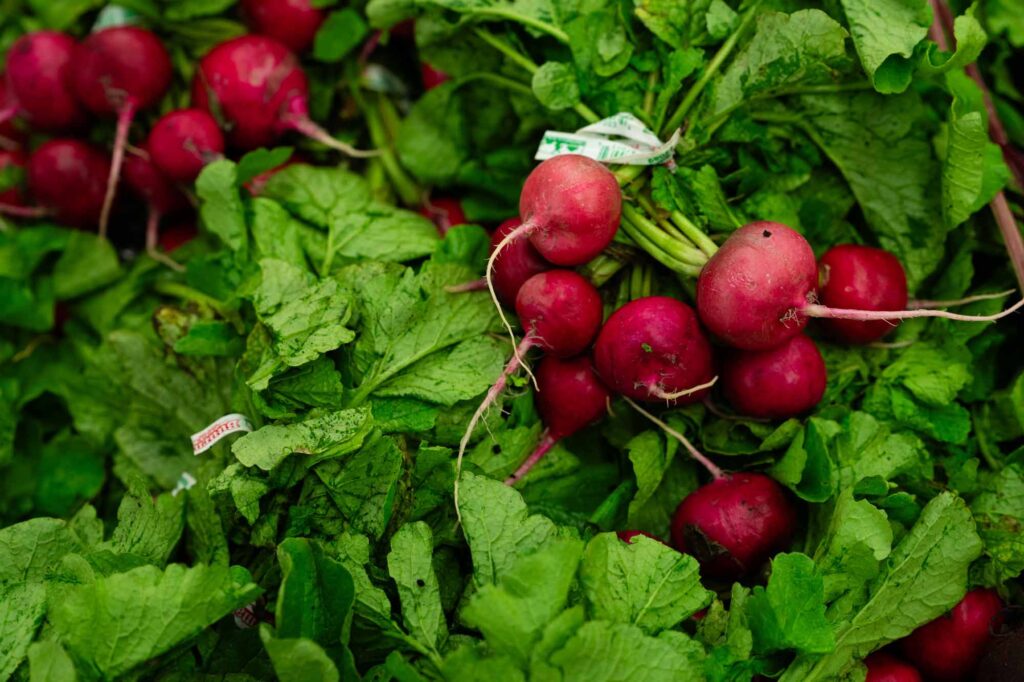
Beets have an earthy flavor that becomes sweeter when roasted. Red beets are the most familiar, but golden and striped varieties can bring different colors and slightly milder flavors to the plate.
Roast them until tender, grate them raw into salads or pair cooked beets with citrus, herbs or a tangy cheese. Do not overlook the greens. Beet greens can be sauteed much like spinach or Swiss chard.
Carrots and Parsnips: Similar Shape, Different Flavor
Carrots bring familiar sweetness and color to soups, roasts and sheet pan meals. Parsnips look like pale carrots but have a more distinctive flavor that can taste earthy, nutty and slightly spicy.
Both vegetables become sweeter as they roast. Try cooking them together with onions, olive oil and herbs for an easy fall side dish.
Cabbage and Hardy Greens: Built for Cooler Meals
Cabbage, kale, collard greens and other sturdy greens hold up well in soups, stews and slow-cooked dishes. Cabbage can also be roasted, sauteed or sliced into a crisp slaw.
Kale and collards benefit from removing the thick stems before cooking. The leaves can then be chopped and added to soups, braised with garlic or sauteed for a quick side.
Make Fall Produce Work for You
You do not need a complicated recipe to enjoy fall produce. Roast a pan of mixed vegetables, add squash to soup, slice pears into a salad or cook apples into oatmeal.
Start with one ingredient you already know, then add one that is new to you. That is often the easiest way to bring more variety to the table without changing your entire meal plan.
Selection changes with the season and may vary by store. Visit your nearest Joe Randazzo’s to see which fall fruits and vegetables are available during your shopping trip.